
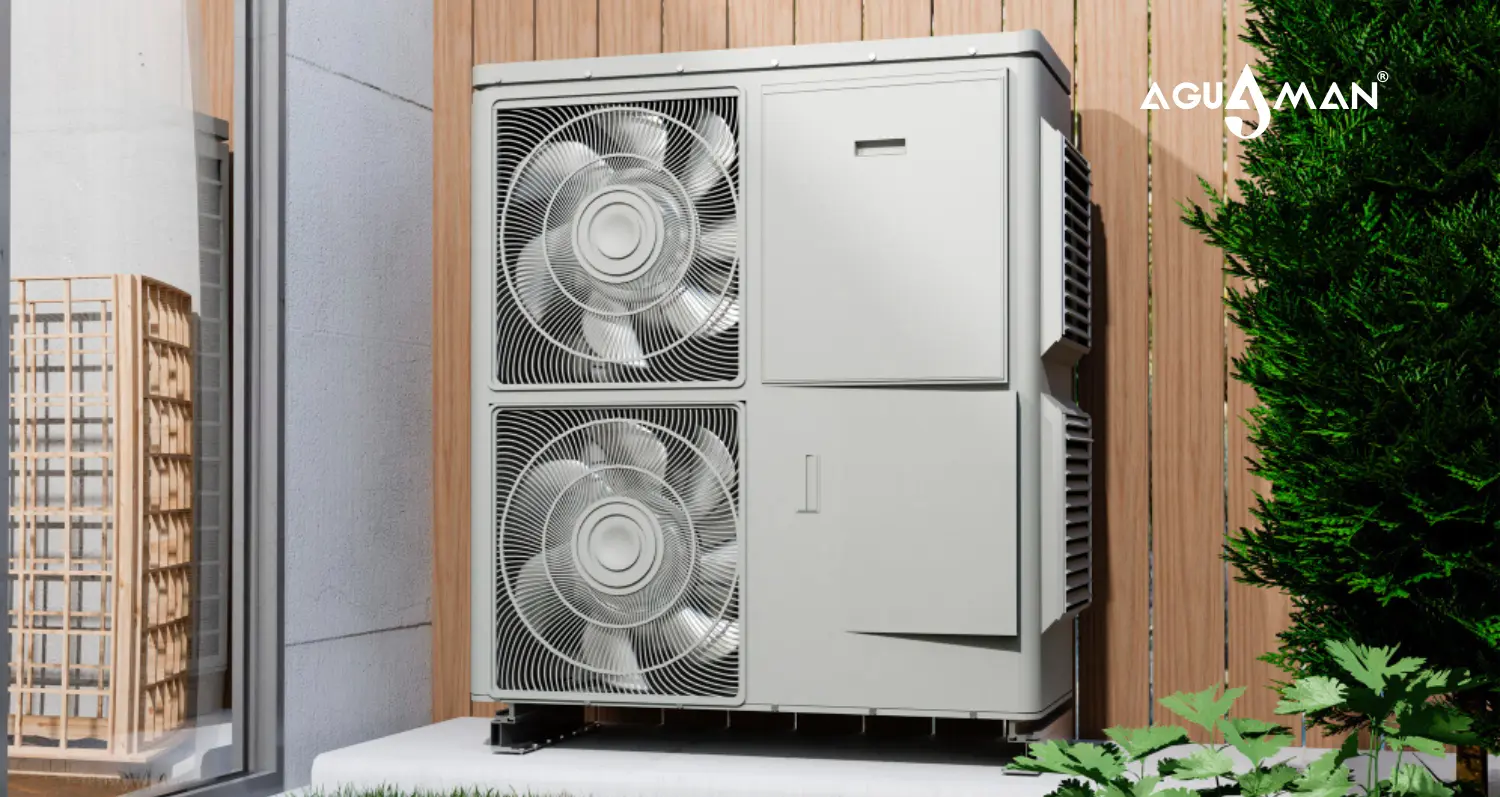
Yes, a water heat pump can replace a chiller—but it depends on how you plan to use it. In the modern era, particularly when cooling and heating are needed, a water heat pump is a more efficient and flexible option than the traditional chiller.
What is a water heat pump?
A water heat pump is a system used to transfer heat from one place to another using water as a medium. Instead of generating heat, like traditional chiller systems, it moves heat. This function makes it highly energy-efficient.
A water heat pump system can:
- Provide cooling (like a chiller)
- Provide heating (unlike most chillers)
- Work for residential, commercial, and industrial needs
For example, a domestic water heat pump is commonly used for hot water in homes, whereas larger systems are employed in hospitals, hotels, or even the heat pump UAE market, where efficiency in energy use is crucial.
What is a water chiller?
A water chiller is a system designed only for cooling. It removes heat from Fater and supplies chilled water for air conditioning systems, industrial plants, and specialised uses such as a water chiller heater for cold plunge.
Unlike heat pumps, chillers are not designed to provide heating. Their sole focus is to lower the temperature, and they often consume more energy while giving the same output.
How is a water heat pump different from a chiller? Key differences:
-
Functionality
Heat pump: Cooling + heating
Chiller: Cooling only -
Energy efficiency
Heat pump: More efficient (transfers heat)
Chiller: Less efficient (removes heat only) -
Versatility
Heat pump: Multi-purpose
Chiller: Single-purpose -
Application
Heat pump: Homes, hotels, pools, HVAC
Chiller: Industrial cooling, large HVAC systems
Can a water heat pump fully replace a chiller?
Yes, in many cases it can. Especially when:
- You need both cooling and heating
- Energy savings are a priority
- You want a single system instead of two
However, in certain industrial setups where only deep cooling is needed, a water chiller heater or dedicated chiller may still be preferred.
What should you consider before replacing a chiller?
Before going for a water heat pump installation, consider:
- Cooling requirement: Does your system need extremely low temperatures?
- Heating demand: If yes, a heat pump adds major value
- Energy costs: Heat pumps reduce electricity bills over time
- Space availability: Heat pumps may need different installation setups
- Climate conditions: In hot regions like the UAE market, performance is strong year-round.
What are the limitations of replacing a chiller?
While replacing a chiller might seem like the right choice, some limitations may still be there. Some of them are:
- Chillers are more efficient for extreme cooling
- Heat pumps need a higher initial investment
- Existing heat pump systems may need modifications or replacements
- Applications like a water chiller heater for a cold plunge may still prefer dedicated systems
Is a water heat pump the better choice?
For most modern applications, a water heat pump is considered the better choice. It offers both cooling and heating functions and better energy efficiency. Even though they require a higher upfront cost, their lower long-term operating costs make them more cost-effective. This makes them a more efficient and future-ready solution for modern homes and businesses.
FAQs
A water heat pump is a system that transfers heat using water to provide both heating and cooling efficiently.
No. A chiller only cools, while a heat pump can both cool and heat.
No. In many cases, a heat pump can replace a chiller entirely.
Yes. It is energy-efficient, reduces electricity costs, and provides both heating and cooling.
A water heat pump can replace a chiller in many scenarios, especially where flexibility and efficiency are important. The ability to handle both heating and cooling makes it a strong alternative for modern systems.